Tel: +86 13962653966 | Email: sales@szeasychem.com
Tel: +86 13962653966 | Email: sales@szeasychem.com
Alpha Arbutin has become one of the most sought-after skincare ingredients for brightening and evening skin tone. But how does Alpha Arbutin work, and why is it so popular? In this article, we’ll explore what Alpha Arbutin is, how it works, its benefits, and how to incorporate it into your skincare routine.
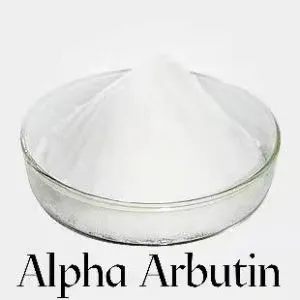
Alpha Arbutin is a naturally occurring compound found in plants such as bearberry, blueberry, and cranberry. It is a glycoside derived from hydroquinone, a well-known skin-lightening agent. Alpha Arbutin offers similar benefits to hydroquinone but in a gentler, more controlled manner, making it a popular choice for those looking to reduce hyperpigmentation safely.
Arbutin is widely recognized as a gentle yet effective skin-brightening ingredient. It comes in different forms, each with unique properties:
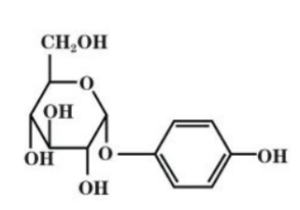
Alpha Arbutin is the most stable and effective form of arbutin. It consists of a glucose molecule attached to hydroquinone, which allows for controlled, slow release, providing a gentle and consistent brightening effect. It is suitable for all skin types.
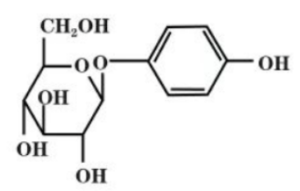
Beta Arbutin is less stable than Alpha Arbutin. While it has similar properties, it is considered less effective in reducing pigmentation and brightening the skin.
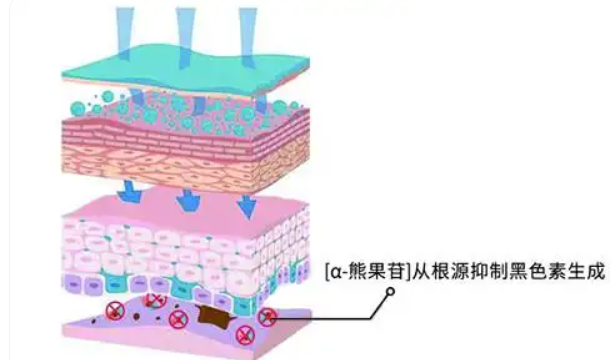
When applied to the skin, Alpha Arbutin functions as a melanin inhibitor. It blocks the enzyme tyrosinase, which is responsible for converting tyrosine into melanin. Melanin is the pigment that gives skin its color, and excessive melanin production can lead to dark spots, hyperpigmentation, and uneven skin tone.
Unlike some harsh skin-lightening agents, Alpha Arbutin works by gradually reducing melanin production. It competes with tyrosinase, binding to specific sites and preventing it from triggering excess pigmentation. Over time, Alpha Arbutin helps to fade existing dark spots and prevents new ones from forming, leading to a more even and radiant complexion.
Alpha Arbutin is widely used in skincare for its ability to target hyperpigmentation safely. Here’s why it’s a skincare essential:
Alpha Arbutin inhibits tyrosinase, reducing melanin production and minimizing dark spots, melasma, and age spots. It helps achieve a brighter and more even complexion.
Unlike harsh skin-lightening agents, Alpha Arbutin is known for being gentle. Its slow release minimizes the risk of irritation, making it ideal for sensitive skin.
Alpha Arbutin pairs well with other active skincare ingredients such as Vitamin C, exfoliating acids, and retinoids. This makes it a versatile addition to any skincare routine.
Alpha Arbutin is a mild yet effective brightening agent, making it safe for long-term use. However, it’s important to follow recommended usage guidelines.
Alpha Arbutin does not bleach the skin; instead, it reduces excess pigmentation, making it beneficial for individuals of various skin tones who want to address specific areas of discoloration.
Alpha Arbutin is generally safe and well-tolerated, but some individuals may experience mild side effects:
Skin irritation, redness, or itching (especially when used in high concentrations or combined with strong actives)
Dryness or tightness, which can be managed with a good moisturizer
Increased sensitivity to UV rays, making sunscreen a crucial part of any skincare routine
Pregnant or breastfeeding women should consult a dermatologist before use due to limited safety research.
Those with extremely sensitive skin should patch-test first or consult a skincare professional before incorporating it into their routine.
Individuals using strong exfoliants or retinoids should introduce Alpha Arbutin gradually to minimize irritation.
When compared to other popular skin brightening ingredients, Alpha Arbutin stands out for its gentle yet effective approach. Unlike hydroquinone, which can be harsh and potentially lead to skin irritation or ochronosis, Alpha Arbutin provides a controlled and gradual lightening effect without damaging the skin barrier. Compared to Vitamin C and Kojic Acid, which may cause oxidation or irritation, Alpha Arbutin remains stable and well-tolerated by all skin types, including sensitive skin. Unlike Niacinamide, which mainly works by reducing inflammation and controlling sebum, Alpha Arbutin directly inhibits melanin production, making it more targeted for hyperpigmentation. Additionally, Licorice Extract is a milder alternative, but its effects are often less potent than Alpha Arbutin. Overall, Alpha Arbutin offers a perfect balance between efficacy and safety, making it a top choice for those seeking a brighter, more even complexion without the risks associated with stronger depigmenting agents.
| Ingredient | Mechanism of Action | Effectiveness | Skin Type Suitability | Potential Side Effects |
|---|---|---|---|---|
| Alpha Arbutin | Inhibits tyrosinase to reduce melanin production gradually | Moderate to High | All skin types, including sensitive skin | Minimal; possible mild irritation |
| Vitamin C | Antioxidant that brightens skin and boosts collagen | Moderate | Most skin types, may irritate sensitive skin | Possible redness, irritation, oxidation |
| Niacinamide | Reduces inflammation, controls sebum, and inhibits melanin transfer | Moderate | All skin types, great for oily/acne-prone skin | Very low risk, but may cause mild purging |
| Kojic Acid | Inhibits tyrosinase, derived from fungi | High | Normal to oily skin; may irritate sensitive skin | Potential redness, peeling, and irritation |
| Licorice Extract | Reduces melanin production and soothes skin | Mild to Moderate | Best for sensitive skin | Very gentle; rarely causes irritation |
| Hydroquinone | Directly inhibits tyrosinase for fast skin lightening | Very High | Effective for severe hyperpigmentation but can be harsh | Can cause irritation, redness, ochronosis (long-term use) |
Thanks to its gentle, effective, safe, and stable properties, Alpha Arbutin has become a top choice for skincare brands looking to formulate brightening products. If you are searching for a fast-acting, non-irritating brightening solution, Alpha Arbutin is undoubtedly worth considering.
Looking to add Alpha Arbutin into your skincare routine? Here are a few high-performing formulations trusted by skincare enthusiasts and professionals alike:
[Product A Name] – A lightweight serum combining 2% Alpha Arbutin with Hyaluronic Acid for intense hydration and even skin tone. Ideal for all skin types.
[Product B Name] – Features Alpha Arbutin and Vitamin C for double brightening power. Great for those targeting dark spots and sun damage.
[Product C Name] – A gentle cream suitable for sensitive skin, enriched with Niacinamide and Alpha Arbutin to reduce redness and discoloration.
💡 Pro Tip: For best results, apply Alpha Arbutin serum on clean, damp skin, then follow with moisturizer and sunscreen.
Yes, Alpha Arbutin and Niacinamide can be safely used together—and they actually make a great combo.
Alpha Arbutin targets melanin production, while Niacinamide strengthens the skin barrier and reduces inflammation. Together, they enhance skin brightening and help fade dark spots without irritation. For best results, layer Niacinamide first, then Alpha Arbutin, or choose a serum that combines both.
Both Arbutin and Vitamin C are excellent brightening agents, but they work in different ways—and the “better” one depends on your skin type and goals.
Arbutin (especially Alpha Arbutin) is a gentle tyrosinase inhibitor that slows melanin production, making it ideal for sensitive skin and those prone to irritation. It gradually fades hyperpigmentation and dark spots without causing redness or dryness.
Vitamin C (L-Ascorbic Acid) is a potent antioxidant that brightens the skin, protects against environmental damage, and boosts collagen production. It delivers faster results but can sometimes irritate sensitive or compromised skin.
In summary:
Choose Arbutin if you have sensitive skin or want a more stable, gentle solution.
Choose Vitamin C if you want antioxidant protection and faster visible brightening results.
Best option? Use both! Many formulations combine them effectively for synergistic results.
Yes—Alpha Arbutin is widely considered safe and well-tolerated, even for sensitive skin types.
Unlike some other brightening ingredients that can cause irritation, Alpha Arbutin is a gentle derivative of hydroquinone. It works by slowly inhibiting melanin production without disrupting the skin barrier or causing inflammation.
Its mild nature makes it an ideal choice for individuals with rosacea-prone, reactive, or easily irritated skin. In fact, many dermatologists recommend Alpha Arbutin as a first-line treatment for brightening and hyperpigmentation in sensitive skin routines.
Tips for sensitive skin users:
Start with a low concentration (1–2%) to test compatibility.
Use once daily at first, then gradually increase to twice daily if tolerated.
Always pair with a moisturizer and sunscreen to protect the skin and enhance results.
It depends on your skin’s needs:
Choose Alpha Arbutin if you have sensitive skin or want gradual, long-term results with minimal irritation.
Choose Kojic Acid if you’re looking for faster, more dramatic brightening effects, but be cautious if you have sensitive skin.
Choose Vitamin C if you want quick results along with antioxidant protection, especially for aging or sun-damaged skin.
For the best results, many skincare professionals recommend combining them in a routine— for instance, using Vitamin C in the morning and Alpha Arbutin in the evening to brighten the skin and protect it from oxidative stress.
About Us
Easychem – a manufacturer of Suzhou Easy Chemical is a professional preservative manufacturer and chemical ingredients supplier, offering for wide range of industries to global market.
Strategic partner:
Defoamer manufacturer-Invelychem
Contact
 Suzhou Easy Chemical Co. Ltd
 Contact: Joyce Yu
 Email: sales@szeasychem.com
 Tel: +86 13962653966
 WhatsApp: +86 13962653966
 WeChat: +86 13962653966
We will contact you within 2 hours, please pay attention to the email with the suffix “joyceyu@szeasychem.com”.
 [Request TDS & COA] |