Tel: +86 13962653966 | Email: sales@szeasychem.com
Tel: +86 13962653966 | Email: sales@szeasychem.com
Polyhexamethylene Guanidine Hydrochloride (PHMG) and Polyhexamethylene Biguanide Hydrochloride (PHMB) are two important polymeric antimicrobial agents widely used in industrial disinfection, water treatment, personal care, textile preservation, and hygiene applications.
Although PHMG and PHMB have similar chemical structures and both belong to guanidine-based polymeric biocides, they have significant differences in molecular structure, antimicrobial performance, regulatory acceptance, application areas, and safety profiles.
Understanding the difference between Polyhexamethylene Guanidine Hydrochloride (PHMG) and Polyhexamethylene Biguanide Hydrochloride (PHMB) is important for manufacturers, formulators, and distributors who need to select the right antimicrobial ingredient for their products.
As a professional Polyhexamethylene Guanidine Hydrochloride manufacturer and Polyhexamethylene Biguanide Hydrochloride supplier, Suzhou Easy Chemical provides high-quality PHMG and PHMB products for global customers.
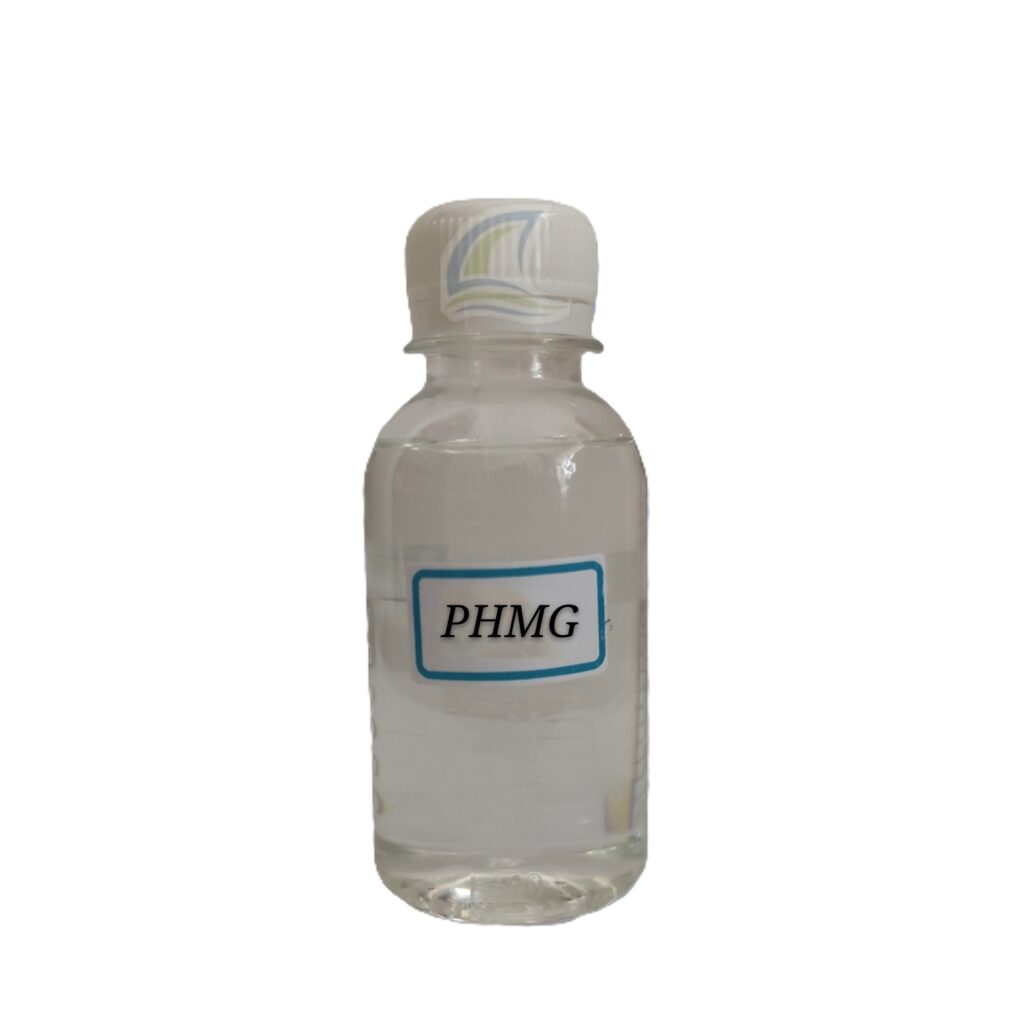
Abbreviation: PHMG
CAS No.: 57028-96-3
Polyhexamethylene Guanidine Hydrochloride (PHMG) is a polymeric guanidine compound containing repeating guanidine groups connected by hexamethylene chains.
PHMG is a highly effective broad-spectrum antimicrobial agent with strong antibacterial and antifungal activity.
Due to its excellent water solubility and long-lasting antimicrobial effect, PHMG is widely used in:
A professional Polyhexamethylene Guanidine Hydrochloride manufacturer usually provides PHMG in powder or aqueous solution forms depending on customer requirements.
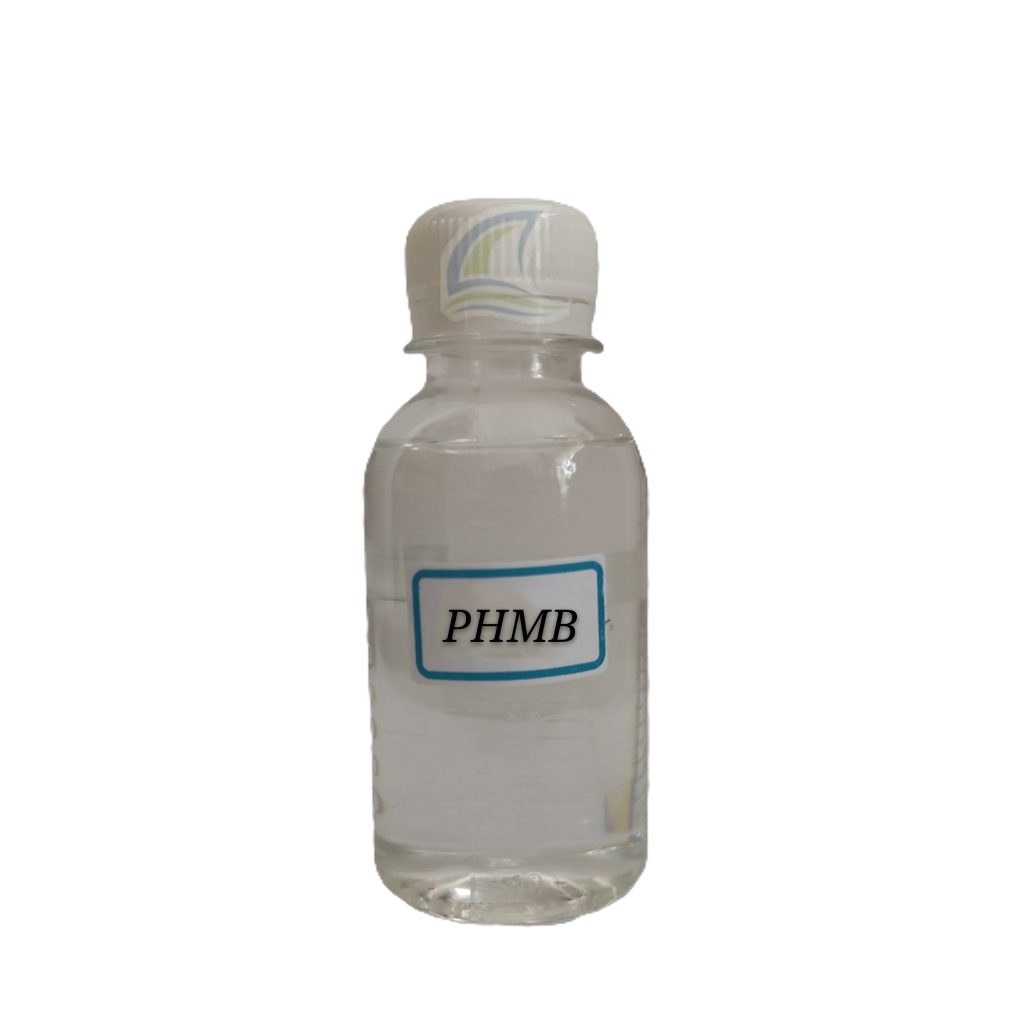
CAS No.: 27083-27-8
Polyhexamethylene Biguanide Hydrochloride (PHMB) is a polymeric biguanide antimicrobial ingredient widely recognized for its broad-spectrum antimicrobial activity.
PHMB contains repeated biguanide functional groups, which provide excellent interaction with microbial cell membranes.
PHMB is commonly used in:
A reliable Polyhexamethylene Biguanide Hydrochloride supplier provides PHMB with consistent molecular weight, purity, and microbiological performance.
The major difference between PHMG and PHMB is the functional group structure.
| Item | PHMG | PHMB |
|---|---|---|
| Full Name | Polyhexamethylene Guanidine Hydrochloride | Polyhexamethylene Biguanide Hydrochloride |
| Abbreviation | PHMG | PHMB |
| Functional Group | Guanidine group | Biguanide group |
| CAS Number | 57028-96-3 | 27083-27-8 |
| Polymer Type | Polymeric guanidine | Polymeric biguanide |
| Charge | Cationic polymer | Cationic polymer |
| Antimicrobial Activity | Strong | Strong |
| Main Markets | Industrial applications | Medical, cosmetic, hygiene applications |
Although the names are similar, the additional nitrogen structure in the biguanide group gives PHMB different chemical characteristics compared with PHMG.
Both Polyhexamethylene Guanidine Hydrochloride (PHMG) and Polyhexamethylene Biguanide Hydrochloride (PHMB) work through a similar antimicrobial mechanism.
They attach to negatively charged microbial cell membranes, causing:
However, their application performance differs.
Polyhexamethylene Guanidine Hydrochloride offers:
PHMG is especially suitable for industrial environments where high antimicrobial efficiency is required.
Typical applications include:
Polyhexamethylene Biguanide Hydrochloride provides:
PHMB is preferred for applications requiring higher safety standards and skin-contact compatibility.
Applications include:
The biggest difference between PHMG and PHMB is the molecular structure.
PHMG contains guanidine functional groups, while PHMB contains biguanide functional groups.
This structural difference affects:
PHMG is mainly used as an industrial antimicrobial agent.
Common industries:
PHMG is used for controlling bacteria and microorganisms in:
PHMG helps prevent microbial growth in:
PHMG provides antibacterial protection for:
PHMB has wider applications in hygiene and consumer products.
Common applications:
PHMB is used in:
PHMB can be used as a chlorine-free pool disinfectant.
Safety is one of the most important factors when choosing between PHMG and PHMB.
PHMG is highly effective but has faced regulatory restrictions in some consumer applications due to safety concerns related to certain exposure routes.
Therefore, PHMG is mainly recommended for:
A professional PHMG manufacturer China should provide:
PHMB has been evaluated for use in several regulated applications.
It is commonly selected for:
A qualified PHMB supplier should provide:
When choosing a Polyhexamethylene Guanidine Hydrochloride manufacturer, buyers should evaluate:
A reliable PHMG supplier should provide:
A professional Polyhexamethylene Guanidine Hydrochloride manufacturer China should have:
International buyers usually require:
Selecting a reliable Polyhexamethylene Biguanide Hydrochloride manufacturer is critical for cosmetic and hygiene applications.
A professional PHMB supplier should offer:
PHMB quality affects:
A trusted Polyhexamethylene Biguanide Hydrochloride supplier should support:
Different industries may require:
Although PHMG and PHMB are chemically related, they are not direct substitutes.
The choice depends on:
For industrial applications:
PHMG is often preferred.
For cosmetic and hygiene applications:
PHMB is usually preferred.
A professional manufacturer should recommend the correct antimicrobial based on the final application.
| Feature | PHMG | PHMB |
|---|---|---|
| Full Name | Polyhexamethylene Guanidine Hydrochloride | Polyhexamethylene Biguanide Hydrochloride |
| Abbreviation | PHMG | PHMB |
| INCI Name | Not commonly used in cosmetics | Polyaminopropyl Biguanide |
| Main Use | Industrial biocide | Cosmetic & hygiene antimicrobial |
| Antibacterial Effect | Excellent | Excellent |
| Water Treatment | Excellent | Good |
| Cosmetics | Limited | Widely used |
| Medical Use | Limited | Common |
| Supplier Market | Industrial chemicals | Personal care & healthcare |
No. PHMG and PHMB are different polymeric antimicrobial compounds.
PHMG means Polyhexamethylene Guanidine Hydrochloride, while PHMB means Polyhexamethylene Biguanide Hydrochloride.
Both have strong antimicrobial activity. Performance depends on formulation, concentration, microorganisms, and application conditions.
Yes. PHMB is widely used in personal care and cosmetic formulations when compliant with applicable regulations.
Professional chemical companies provide PHMG through bulk supply. Buyers should select an experienced Polyhexamethylene Guanidine Hydrochloride supplier with complete technical documentation.
>> Contact PHMG supplier-Easychem
PHMB can be purchased from qualified Polyhexamethylene Biguanide Hydrochloride manufacturers and suppliers specializing in antimicrobial ingredients.
Polyhexamethylene Guanidine Hydrochloride (PHMG) and Polyhexamethylene Biguanide Hydrochloride (PHMB) are both powerful polymeric antimicrobial agents, but they serve different markets.
PHMG is mainly designed for industrial antimicrobial applications, including water treatment, coatings, textiles, and industrial preservation.
PHMB is more suitable for personal care, cosmetic, and hygiene applications due to its formulation compatibility and regulatory acceptance.
Choosing the right ingredient requires understanding the differences between PHMG and PHMB, including chemical structure, application requirements, and safety considerations.
Suzhou Easy Chemical is a professional Polyhexamethylene Guanidine Hydrochloride manufacturer and Polyhexamethylene Biguanide Hydrochloride supplier, providing reliable antimicrobial solutions for global customers.
Looking for PHMB or PHMG supplier with reliable quality and factory-direct pricing?
Contact Suzhou Easy Chemical Co. Ltd today for samples, COA, and the latest bulk price.
388, Dengyun Road,Kunshan, Jiangsu, China
Email: sales@szeasychem.com
Contact: Joyce Yu
MB: +86 13962653966
Whatsapp&Wechat: +86 13962653966
Please fill in the below form accordingly, we will be able to contact you within 2 working hours.
About Us
Easychem – a manufacturer of Suzhou Easy Chemical is a professional preservative manufacturer and chemical ingredients supplier, offering for wide range of industries to global market.
Strategic partner:
Defoamer manufacturer-Invelychem
Contact
 Suzhou Easy Chemical Co. Ltd
 Contact: Joyce Yu
 Email: sales@szeasychem.com
 Tel: +86 13962653966
 WhatsApp: +86 13962653966
 WeChat: +86 13962653966
We will contact you within 2 hours, please pay attention to the email with the suffix “joyceyu@szeasychem.com”.